Creating a Deep Relaxation Experience Through Sound
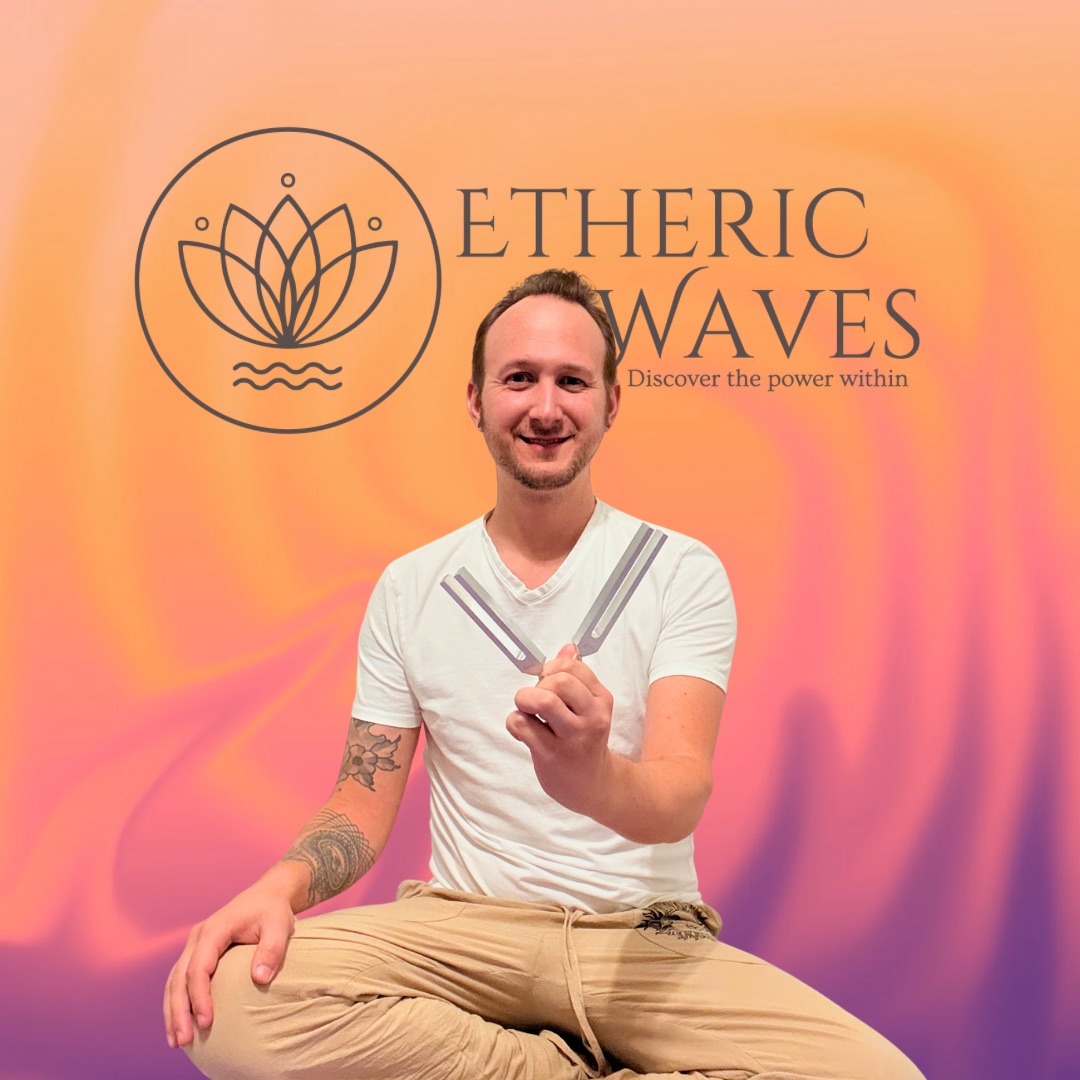
In today's fast-paced world, finding time to relax can be challenging. Stress levels are continually on the rise, and many individuals search for ways to unwind and reconnect with their inner peace. One effective method is creating a deep relaxation experience through sound bath sessions. Using various instruments and techniques, sound baths create an immersive environment that promotes relaxation and well-being. In this post, we will explore how to create a sound bath experience that fosters deep relaxation.
What is a Sound Bath?
A sound bath is a meditative practice that involves being surrounded by sound frequencies from various instruments, such as singing bowls, gongs, and tuning forks. These sounds resonate throughout the space and your body, helping to reduce stress and promote relaxation. Research shows that sound waves may positively affect brain waves, guiding you into deep relaxation and heightened awareness.

During a sound bath, participants are usually encouraged to lie down comfortably and either close their eyes or remain in a state of mindfulness as they absorb the soothing sounds. This practice creates a unique atmosphere that can lead to profound stress relief and mental clarity.
Setting the Scene for Your Sound Bath
To create a sound bath experience, it is essential to set the scene properly. Here are a few steps to help you prepare your environment:
1. Choose a Quiet Space
Select a tranquil room in your home or an outdoor location that feels peaceful. Ensure that the area is free from distractions, such as loud noises or electronic devices. A quiet space allows the sounds to resonate without interruptions.
2. Create a Comfortable Atmosphere
Dim the lights or use candles to establish a gentle ambiance. Add items like cushions, yoga mats, or blankets to make the seating comfortable. Consider incorporating natural elements, such as plants or crystals, to enhance the atmosphere.
3. Select Your Sound Instruments
Deciding on which sound instruments to use is vital for creating the right experience. Common choices for a sound bath include:
Tibetan Singing Bowls: These bowls produce rich, harmonic tones that can induce relaxation and reduce stress.
Gongs: Known for their powerful sound waves, gongs can help clear energy blockages and promote emotional release.
Tuning Forks: These produce specific frequencies that can help balance and align the body’s energy centers.

4. Incorporate Aromatherapy
Aromatherapy can enhance the relaxation experience. Use essential oils like lavender or sandalwood in a diffuser to fill the space with calming scents. Scents can trigger positive emotions and help you relax even more.
The Sound Bath Experience
Now that your setting is prepared, it’s time to experience the sounds. Begin with a brief introduction to set intentions, allowing participants to express what they hope to gain from the session. Here are some tips to guide the process:
1. Begin with Breathing Exercises
Start with simple breathing exercises to ground participants. Encourage deep inhalations and prolonged exhalations to help clear the mind and prepare for the sound bath.
2. Gradually Introduce Sounds
Begin playing the chosen instruments softly, gradually increasing the volume and complexity of the sounds. Allow participants to become attuned to the frequencies and perceive their calming effects.
3. Maintain Flow and Variety
Keep the flow of sounds varied throughout the session. Change the rhythm, volume, and types of instruments used to keep participants engaged. Intermittently examine how each tone impacts the atmosphere.
4. Conclude with Reflection
After the session, guide participants to reflect on their experience. Encourage them to share feelings, insights, and any sensations they encountered during the sound bath.
Benefits of Sound Bath
Sound bath experiences come with various benefits that nourish the body and mind. Here are a few worth noting:
1. Stress Relief
Sound waves can lower cortisol levels, the hormone responsible for stress. Research indicates that sound therapy and meditation can reduce anxiety and promote overall calmness.
2. Improved Sleep Quality
Many individuals report enhanced sleep quality after sound bath sessions. The relaxing nature of sound can help cue your mind and body to prepare for restful sleep.
3. Enhanced Mental Clarity
The meditative state achieved during a sound bath can enable clearer thinking and creativity. Participants often come away with fresh ideas and perspectives.

Finding a Sound Bath Community
While creating your own sound bath experience at home can be fulfilling, many communities offer sound bath therapy sessions. To find a local practitioner, consider doing the following:
1. Use Online Resources
Search for sound bath classes or workshops on platforms like Meetup or Eventbrite. Websites dedicated to wellness and holistic practices often list local practitioners as well.
2. Social Media
Follow wellness influencers or sound therapy professionals on social media platforms. They often share upcoming events or workshops related to sound healing.
3. Ask for Recommendations
If you're in contact with wellness experts, ask them for recommendations. Yoga studios and holistic centers frequently hold sound bath sessions, providing another opportunity for community engagement.
Creating Your Own Relaxation Routine
To maximize the benefits of sound bath experiences, it’s vital to incorporate relaxation efforts into your daily routine. Here are some additional tips:
1. Daily Meditation
Integrate daily meditation sessions using sound or guided practices. Consistency is key to reaping the benefits of relaxation techniques.
2. Practice Mindfulness
Incorporate mindfulness exercises into your day. Pay attention to your thoughts, emotions, and surroundings, allowing yourself moments of reflection.
3. Stay Connected with Nature
Spend time in nature to further enhance your relaxation. The natural environment promotes peace and serenity, bridging the gap between the body and mind.
4. Experiment with Different Instruments
At home, try incorporating various instruments to see which sounds resonate the most with you. Experimenting can help create a personalized sound bath experience unique to your preferences.
In summary, creating a deep relaxation experience through sound is not only possible but also transformative. By establishing a peaceful setting, integrating sound instruments, and reflecting on your experience, you can cultivate a profound sense of calm and well-being. Engage with your local sound bath community to explore this practice further, and remember, embracing your relaxation journey is essential for mental and physical health.
Whether you participate in a guided session or create a nourishing atmosphere at home, the essence and empowerment of sound baths await you. Embrace this powerful relaxation technique, and let the soothing sounds guide you towards a peaceful state of mind.


Comments