How Binaural Frequencies Interact with the Brain

Binaural frequencies have gained significant attention for their potential to influence brain activity and mental states. These sounds, created by playing two slightly different frequencies in each ear, can lead to unique auditory experiences. But how exactly do binaural frequencies interact with the brain? This article explores the science behind these sounds, their effects, and practical ways to use them.
Understanding Binaural Frequencies and Brainwaves
Binaural frequencies occur when two tones of slightly different frequencies are presented separately to each ear. The brain perceives a third tone, which is the difference between the two frequencies. This phenomenon is called a binaural beat. For example, if a 300 Hz tone is played in one ear and a 310 Hz tone in the other, the brain detects a 10 Hz beat.
This beat frequency can influence brainwave patterns. Brainwaves are electrical impulses in the brain, categorized by their frequency ranges:
Delta waves (0.5-4 Hz): Deep sleep and relaxation
Theta waves (4-8 Hz): Light sleep, meditation, creativity
Alpha waves (8-13 Hz): Relaxed wakefulness, calmness
Beta waves (13-30 Hz): Active thinking, focus
Gamma waves (30-100 Hz): High-level cognitive functioning
When binaural frequencies are used, the brain tends to synchronize its brainwaves to the beat frequency, a process called entrainment. This synchronization can promote specific mental states, such as relaxation or heightened focus.
How Binaural Frequencies Affect Brain Function
The interaction between binaural frequencies and the brain is complex but fascinating. When the brain entrains to a binaural beat, it can alter neural activity in several ways:
Enhanced relaxation: Lower frequency beats (delta and theta) can help reduce stress and promote deep relaxation. This is useful for meditation or sleep improvement.
Improved focus: Higher frequency beats (alpha and beta) can increase alertness and concentration, making them helpful for studying or work.
Mood regulation: Some studies suggest that binaural beats can influence emotional states by affecting neurotransmitter levels, such as serotonin and dopamine.
Pain management: There is emerging evidence that binaural beats may help reduce the perception of pain by altering brainwave patterns.
Using binaural frequencies regularly can support mental health and cognitive performance. However, the effects vary from person to person, and more research is needed to fully understand the mechanisms.

Do binaural beats really work?
The question of whether binaural beats really work has been debated among scientists and users alike. Research shows mixed results, but many people report positive experiences. Here’s what the evidence says:
Scientific studies: Some controlled experiments have demonstrated that binaural beats can influence brainwave activity and improve mood or cognitive function. For example, participants exposed to alpha-frequency beats showed increased relaxation and reduced anxiety.
Placebo effect: It is possible that some benefits come from the expectation of improvement rather than the beats themselves. The power of suggestion can be strong in auditory therapies.
Individual differences: Not everyone responds to binaural beats in the same way. Factors like age, brain chemistry, and listening environment can affect outcomes.
Safety: Binaural beats are generally safe when used responsibly. Avoid using them while driving or operating machinery.
To maximize benefits, it is recommended to listen to binaural beats in a quiet, comfortable setting with headphones. Consistency and patience are key, as effects may build over time.

Practical Tips for Using Binaural Frequencies
If you want to explore binaural frequencies, here are some practical tips to get started:
Choose the right frequency: Decide what you want to achieve (relaxation, focus, sleep) and select binaural beats that match the corresponding brainwave range.
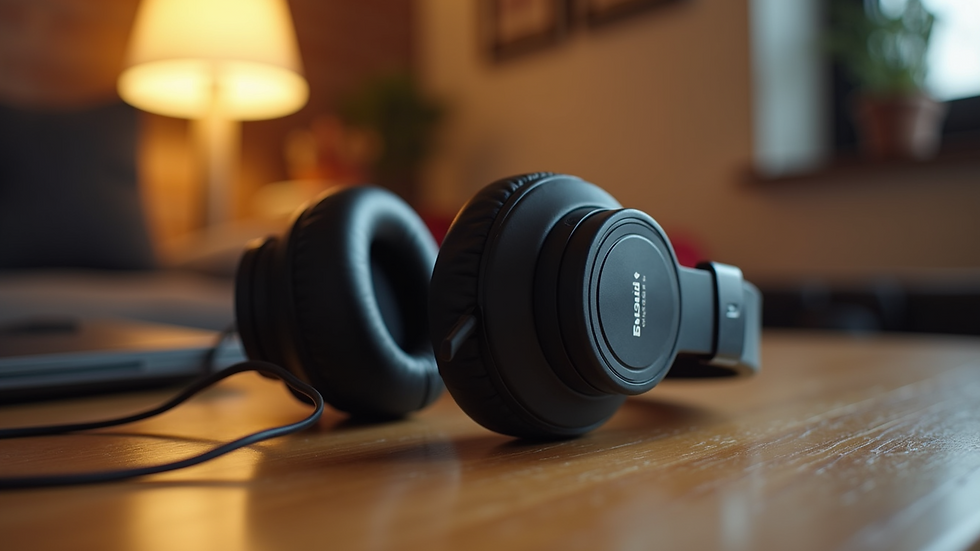
Use quality headphones: Stereo headphones are essential to deliver different frequencies to each ear accurately.
Set a comfortable environment: Find a quiet place where you won’t be disturbed. Dim lighting and a comfortable seat can enhance the experience.
Start with short sessions: Begin with 10-15 minutes and gradually increase as you become more accustomed.
Combine with other techniques: Pair binaural beats with meditation, deep breathing, or visualization for deeper effects.
Explore trusted sources: Access a variety of binaural beat frequencies from reputable platforms. For example, you can find a wide selection of binaural beat frequencies online.
By following these steps, you can safely and effectively incorporate binaural frequencies into your daily routine.
The Future of Binaural Frequencies in Brain Research
The study of binaural frequencies and their interaction with the brain is still evolving. Advances in neuroscience and technology are opening new possibilities:
Personalized audio therapy: Future applications may tailor binaural beats to individual brainwave patterns for optimized mental health support.
Integration with virtual reality: Combining binaural beats with immersive VR environments could enhance relaxation and cognitive training.
Clinical treatments: Researchers are investigating binaural beats as complementary therapies for conditions like anxiety, depression, and ADHD.
Wearable devices: Emerging gadgets may monitor brain activity and adjust binaural frequencies in real-time for maximum benefit.
As understanding deepens, binaural frequencies could become a mainstream tool for enhancing brain function and well-being.
Exploring binaural frequencies offers a fascinating glimpse into how sound can influence the brain. Whether you seek relaxation, focus, or emotional balance, these auditory tools provide a simple yet powerful way to engage your mind. With ongoing research and practical use, binaural frequencies may unlock new pathways to mental clarity and health.



Comments